

Press releases
Two new cluster models were launched in Moldova
State Secretary-General of the Ministry of Economy and Infrastructure, Iulia Costin reiterated the importance of the association of companies which in the future could be one of the main drivers of Moldova’s socio-economic transformation and development.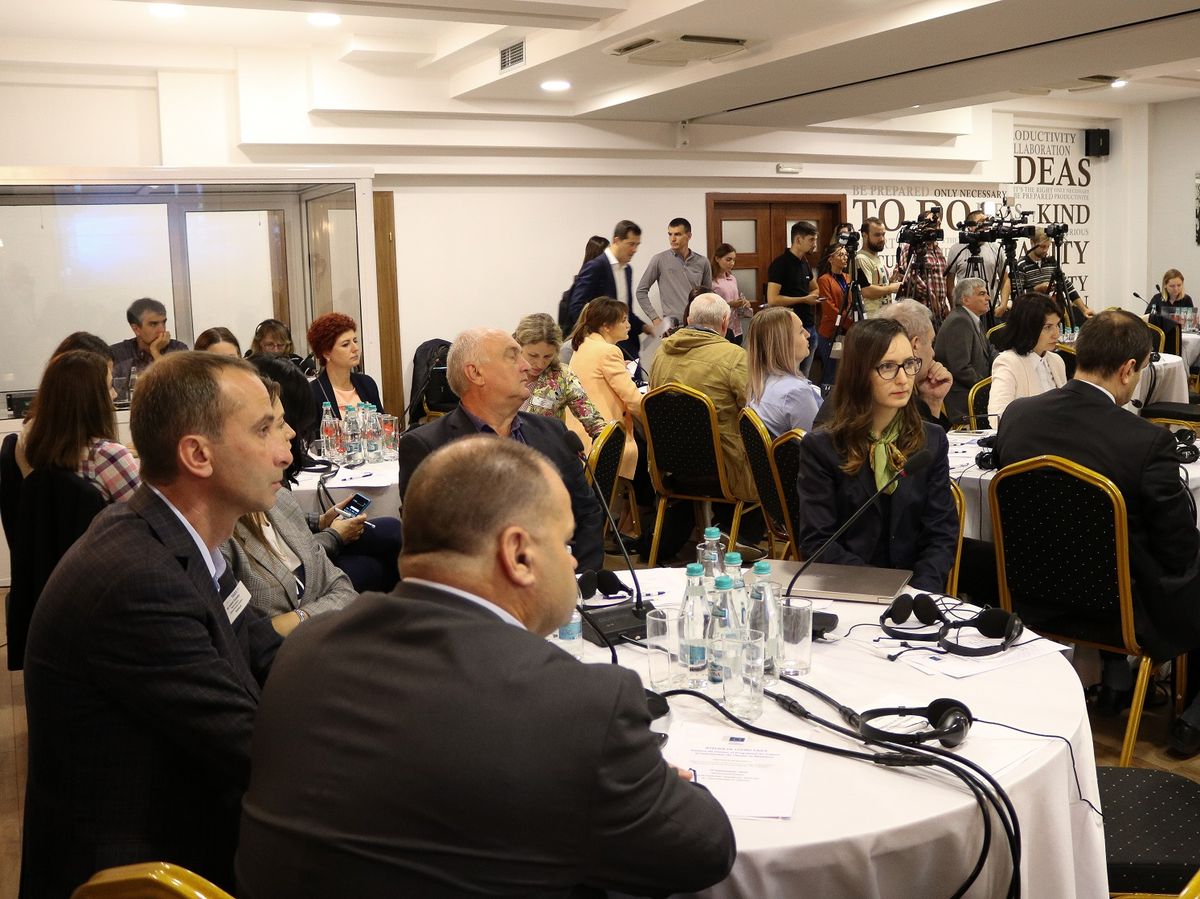
“The multiplication of clusters in the regions will help speed up innovation-driven economic processes and support the development of priority industries of the national economy, which have a potential to generate high added value: electronics, equipment industry, textiles and innovative industries. At the same time, it will stimulate foreign investment and technology transfer attraction, the emergence of new entrepreneurial activities and the access to new selling markets", noted Iulia Costin.
Romanian Ambassador to the Republic of Moldova, Daniel Ioniță welcomed initiatives to cluster Moldovan companies, stressing that Bucharest has extensive experience in this field and is open to offering good practices to colleagues over the Prut.
Gintautas Baranauskas, the representative of the EU Delegation to the Republic of Moldova highlighted the support of the Community block on sustainable development and the improvement of the business climate.
“The European Union supports the development of the SME sector in the Republic of Moldova. Clusters help to develop regions’ economic potential, create new jobs, new products and new businesses”.
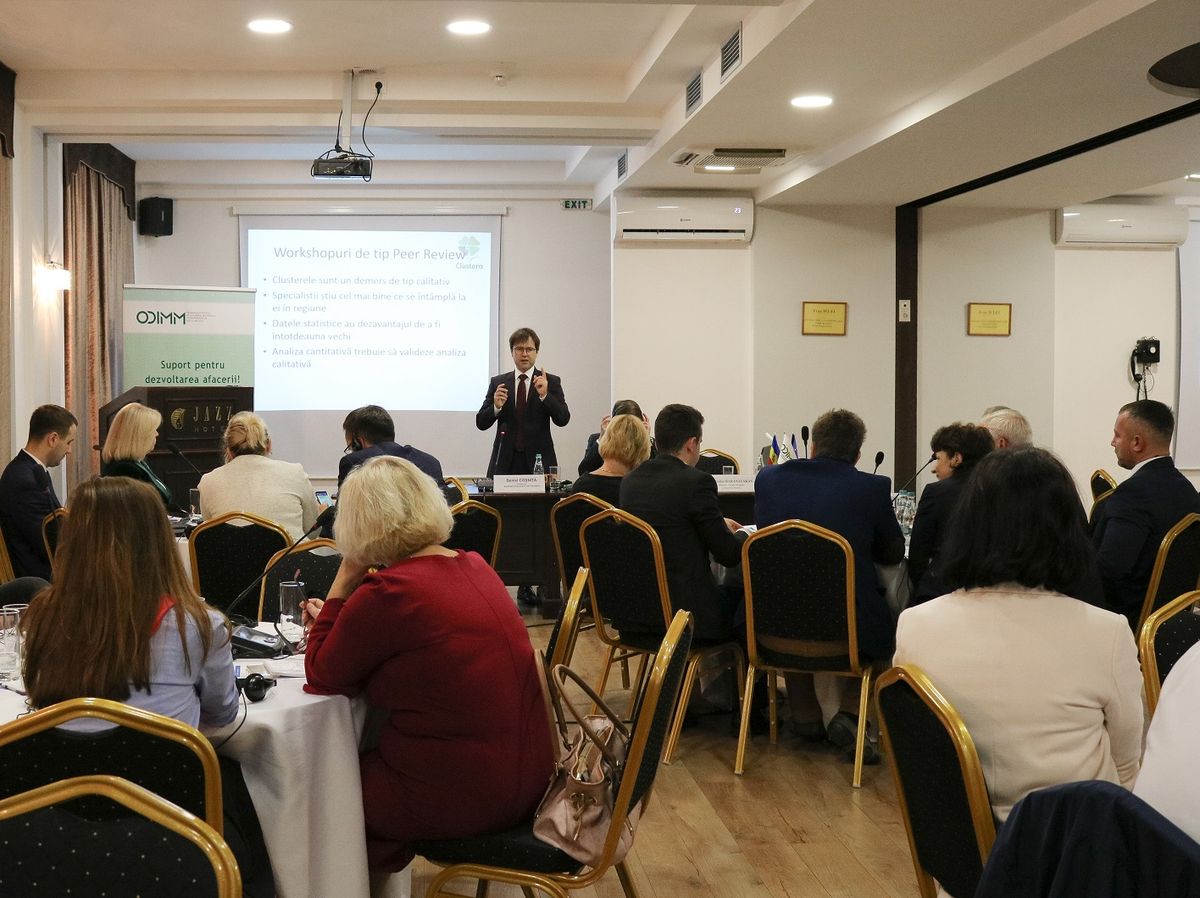 The agreement setting up the Cah creative Regional Cluster was signed by 12 members representing business, professional schools and local public authorities. The cluster coordinator, Anatol Nebunu, Director of the Business Centre, welcomed the involvement of European experts, the support provided by the ODIMM and the EU for the development of creative industries in the region.
“The mission of the cluster is to boost the development of the creative industry and increase inter-company competitiveness to add value to entrepreneurs in the South region,” has accentuated Anatol Nebunu.
The Textil cluster of Soroca SORINTEX brings together 38 founding members. Cluster Manager Andrei Mârza welcomed the effort made to support the sector and aims to make the created entity a promoter of the textile industry in the North region of the Republic of Moldova.
“This broad partnership requires effective collaboration between business and policy makers to contribute directly to increased performance, productivity and visibility,” highlighted business people. 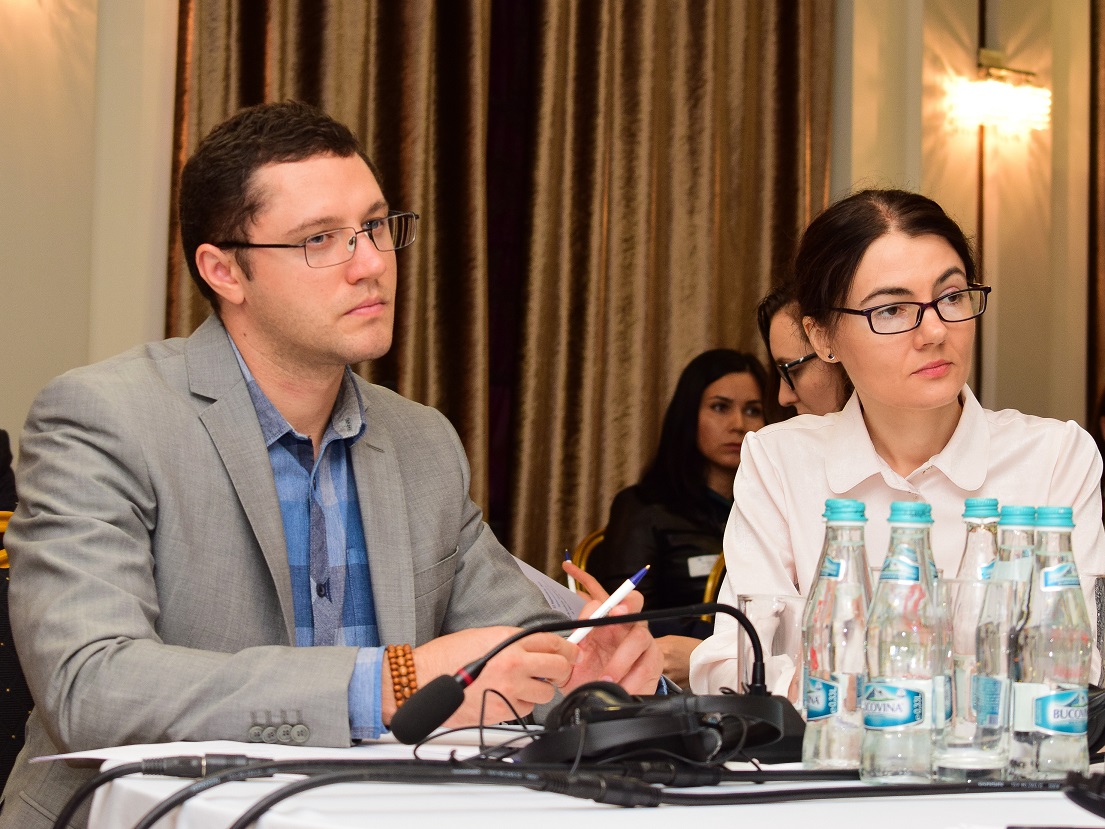
The association models applied by Cahul and Soroca clusters have replication potential in other industries and will serve as an example for new initiatives from the territory.
Cluster members will benefit from several advantages: opportunities for strategic cooperation with other companies and service providers, joint marketing at local, regional, national and international level; direct and timely access to information, services; joint participation in national and international fairs; the accumulation of additional skills; new ideas and knowledge to diversify and improve the quality of services provided; introduction of new technologies; access to public and private funds; etc.
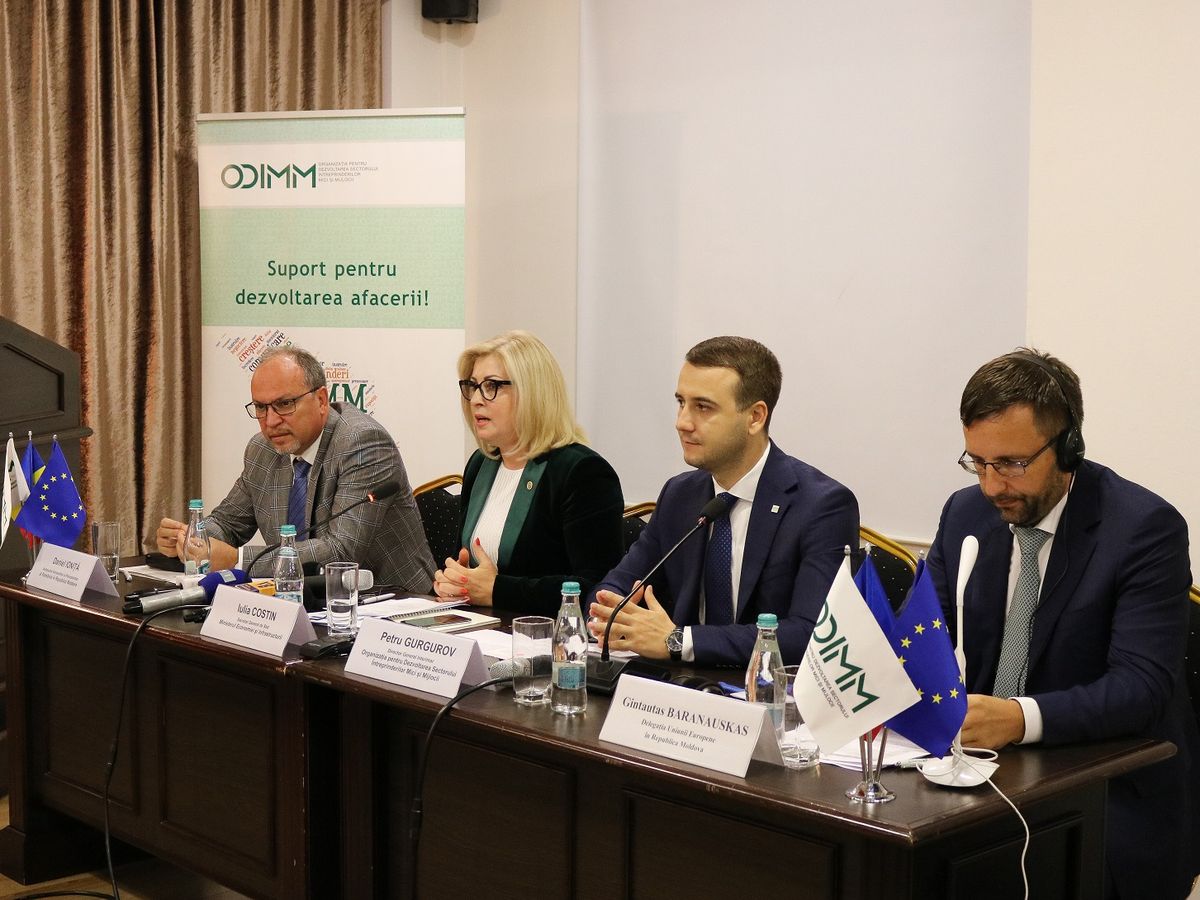 Experts TAIEX, Daniel Cosniță, President of the Romanian Cluster Association and Tim Buyse, Council on Economic Policy and Innovation SERV, Belgium presented the success factors in generating a cluster and the role of local public authorities in supporting regional development in Moldova. According to European experts, the clusters created are the result of four TAIEX missions aimed at facilitating the development of clusters in the Republic of Moldova by identifying the industries with the highest cluster potential and establishing a clear methodology for creating and developing a cluster. During these missions, 4 regional workshops were organised dedicated to mapping Cluster initiatives: in Chișinău, Nisporeni, Cahul and Soroca in which 22 Association Initiatives were identified in different areas: textile, agri-food, wine, beekeeping, automotive and creative industries.
 The event was a unique and excellent platform for an open dialogue, where new models of collaboration were discussed that would speed up economic development by revitalising key sectors and providing an environment for regional research, innovation and development. 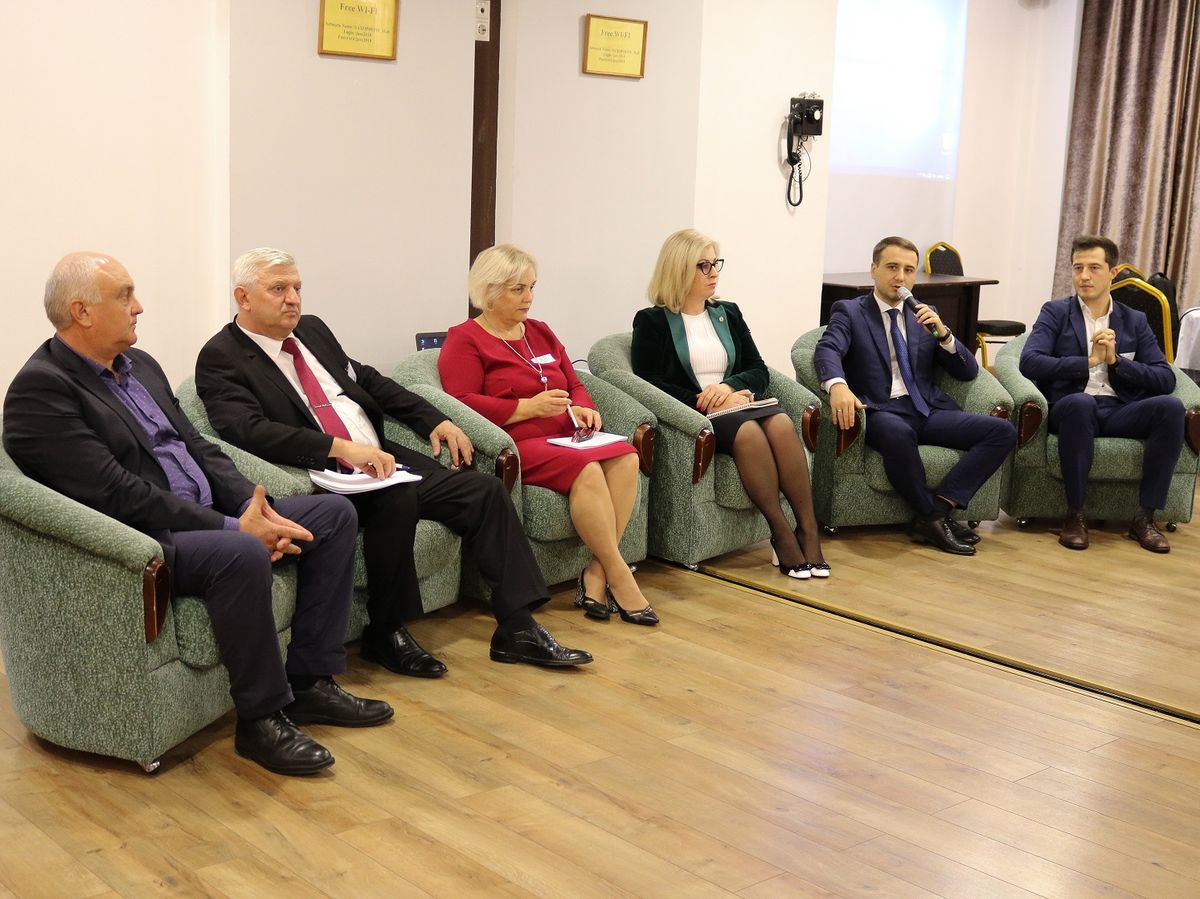
International experience shows that the association of manufacturing companies, suppliers and state and private institutions operating in a given sector (clustering networks) enhances technological performance and productivity, contributing to companies’ competitiveness, expanding the market and increasing visibility. Studies show that 70 % of the clusters in the world are in a strong or very strong competitive position on the market, while 60 % of them are characterised by a high level of innovation.
Clusters are geographical concentrations of interconnected institutions and companies in a given area. Clusters comprise a group of related industries and other competition-relevant entities that cooperate formally or informally through the implementation of joint projects for local, regional or state benefits.
Directorate for Communication and Relations with Publication of the ODIMM